
Reverse mortgage in Hong Kong: turn your home into monthly retirement income
A reverse mortgage (the HKMC 'Reverse Mortgage Programme') lets homeowners aged 55+ borrow against their owner-occupied residential property in exchange for a monthly payout as retirement income, while continuing to live in the home. The amount depends mainly on the property value, the payout term and the applicant's age.
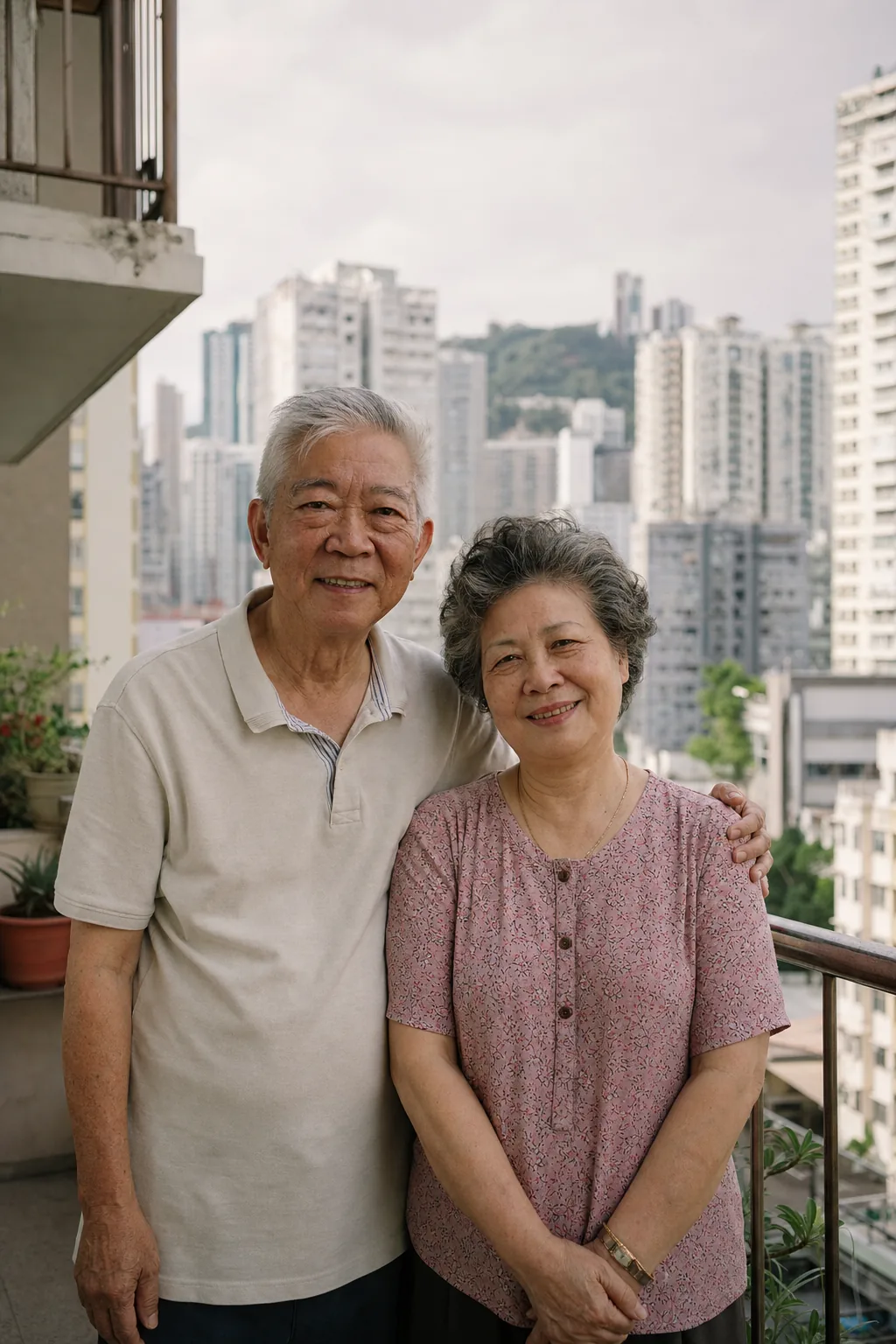
What is a reverse mortgage?
The scheme, run by a subsidiary of the Hong Kong Mortgage Corporation, lets you pledge your owner-occupied home and instead receive a monthly payout — you don't move out and can keep living there. Unlike an ordinary mortgage where you 'borrow to buy and repay monthly', a reverse mortgage turns a home you already own (or nearly own) into a monthly cash flow — often described as turning 'bricks' back into usable retirement income. The loan is generally repaid from the sale of the property after you pass away or move out permanently; after repaying the loan, interest and fees, any remaining value goes to you or your estate, and your family can also choose to repay the loan and keep the property. For asset-rich but cash-short seniors, this is one way to convert home value into retirement cash flow; for how it works in practice, see the reverse mortgage application guide.
The programme is run by HKMC/HKMC Insurance; terms and participating banks follow official sources.
Eligibility
A reverse mortgage has requirements for both the 'applicant' and the 'property' — both must be met, and subsidised housing has separate arrangements.
- Borrower aged 55 or above (generally 60+ for owners of subsidised housing with unpaid land premium).
- Holds a valid Hong Kong identity card.
- The mortgaged property is a Hong Kong residential unit, generally around 50 years old or less.
- The property must not be currently rented out; generally owner-occupied.
Eligibility, building age and property requirements follow the Hong Kong Mortgage Corporation; subsidised flats with unpaid land premium have separate arrangements.
How is the monthly payout calculated?
The monthly payout depends mainly on three factors: a higher property valuation means a larger payout; a shorter payout term (e.g. a fixed 10 years vs lifetime) means more per month; and an older applicant generally receives more per month. You can choose a fixed term (10/15/20 years) or a lifetime monthly payout — under a fixed term the monthly amount is higher during the term, and after it ends the payout stops but you can still keep living there; under a lifetime term you receive it until you pass away or move out permanently. Besides the monthly payout, in some cases you can also apply for a lump-sum loan for large expenses (e.g. medical costs or property repairs), but that reduces the monthly payout accordingly. As the three factors interact, it is best to run your own numbers on the official calculator before choosing a term combination.
- Property valuation: higher value, larger payout.
- Payout term: 10/15/20 years or lifetime; shorter term, more per month.
- Applicant's age: generally older means more per month.
The actual payout follows the HKMC reverse-mortgage calculator and approval.
The application process
From considering it to receiving your first payout, a reverse mortgage generally goes through the steps below; the counselling and family-discussion steps should not be skipped.
- Assess your needs and the propertyFirst confirm that your age, the building's age and its owner-occupied status meet the requirements, and think through how much monthly cash flow you need — you can gauge it against the monthly cost of a comfortable retirement in Hong Kong.
- Run the calculatorEnter the property valuation, payout term and applicant's age into the official reverse-mortgage calculator to estimate the monthly payout under different combinations.
- Take counselling and discuss with familyThe programme generally requires applicants to attend designated counselling to understand the terms, fees and impact on inheritance; as it involves family assets, discuss it with your family first.
- Submit the application and get a valuationApply through a participating bank, which arranges a property valuation as the basis for calculating the payout.
- Approval and signingOnce approved, sign the documents and confirm arrangements such as the payout term and whether to draw a lump sum.
- Start receiving the monthly payoutAfter the formalities are complete, you receive the payout each month and keep living in your home.
The exact steps and documents may differ between participating banks; follow the HKMC and the handling bank.
Pros and risks
A reverse mortgage lets asset-rich, cash-poor seniors unlock their home's value for steady cash flow while still living in it — but once the home is mortgaged, later sale, further borrowing or inheritance are all limited, and interest and fees accrue over time, gradually eroding the value left when the property is eventually sold. Whether it is worth it often depends on how long you plan to stay, whether your family needs to inherit the home, and whether you have other income to cover expenses.
| Pros | Watch out for |
|---|---|
| Keep living in your own home | The home is mortgaged; later sale or inheritance is limited |
| Steady monthly payout to top up income | Interest and fees accrue and reduce remaining value |
| Remaining value still goes to you/your estate | Property prices and interest rates affect the arrangement |
Suitability depends on legacy wishes, other income and health; discuss with family and compare alternatives first.
Policy reverse mortgage
Besides property, there is also a 'policy reverse mortgage': pledge an eligible life insurance policy for a monthly payout — suited to seniors holding a large policy who want cash flow. Age and policy requirements differ from the home reverse mortgage, and pledging changes arrangements such as the policy's death benefit, so read the terms carefully first. Turning a home or a policy into monthly cash flow is just one source of passive retirement income.
The eligibility and terms of the policy reverse mortgage follow the Hong Kong Mortgage Corporation.
Impact on the Old Age Living Allowance
The monthly payout from a reverse mortgage is income and may affect eligibility for the means-tested Old Age Living Allowance (OALA); how a mortgaged property counts as an asset also follows Social Welfare Department rules. For which assets can be exempted and how they are counted, see the OALA asset test and exemptions. The Old Age Allowance ('fruit money'), by contrast, has no asset test.
The actual impact on any allowance follows the Social Welfare Department — check first before deciding.
Reverse mortgage vs selling vs public annuity: how to choose?
There are several ways to turn assets into retirement cash flow; a reverse mortgage is just one — compare them across the factors below. If you hold a lump sum of savings rather than a property, a public annuity may be more direct; if you are willing to move and want to cash out fully at once, selling may be simpler.
| Consideration | Reverse mortgage | Selling the home | Public annuity |
|---|---|---|---|
| Can you keep living there | Keep living in your home | Must move out and find new housing | Unrelated to housing |
| Form of cash | Monthly payout (plus optional lump sum) | One-off large cash sum | Monthly lifetime income |
| Starting asset needed | Owner-occupied home | Owner-occupied home | A lump sum of savings/premium |
| Inheritance | Limited after mortgaging; remaining value to estate | Home sold, replaced by cash | Does not involve the property |
| Sensitivity to prices/rates | Affects payout and remaining value | Sale price depends on the market | Payout fixed at the time of purchase |
| Better suited to | Own a home, want to stay, top up cash flow | Willing to move, want to fully cash out | Have savings, want lifetime income |
General education only, not personalised advice; amounts and terms follow official sources.
Sources
The official information cited above can be verified at the sources below; the latest official publication always prevails.
Related reading
Frequently asked questions
What age can I apply for a reverse mortgage?
Borrowers must generally be 55 or above; owners of subsidised housing with unpaid land premium generally 60+. The property must be Hong Kong residential, around 50 years old or less, and not rented out. Details follow the HKMC.
How is the monthly payout calculated?
It depends mainly on three factors: a higher property valuation, a shorter payout term, and an older applicant generally each mean a larger monthly payout. You can choose a fixed 10/15/20 years or lifetime. The actual figure follows the HKMC calculator and approval.
Can I still live in my home after a reverse mortgage?
Yes. The whole point is that you don't move out and can keep living there; the loan is generally repaid from the sale of the property after you pass away or move out permanently, with any remaining value going to you or your estate.
What are the risks or downsides?
Once mortgaged, later sale or inheritance of the home is limited; interest and fees accrue over time and reduce the remaining value; property prices and interest rates also affect the arrangement. Suitability depends on legacy wishes and other income.
How do I choose between a reverse mortgage, selling, and a public annuity?
In short: if you want to keep living in your home and need monthly cash flow, consider a reverse mortgage; if you are willing to move and want to cash out fully at once, consider selling; if you hold a lump sum rather than a property and want lifetime income, compare the public annuity. Weigh your housing needs, legacy wishes and the assets you hold.
Does a reverse mortgage affect the Old Age Living Allowance?
The monthly payout is income and may affect eligibility for the means-tested OALA; the Old Age Allowance ('fruit money') has no asset test. The actual impact follows the Social Welfare Department — check first.