
Saving more but feeling more anxious? Security is planned, not scrimped
Many people equate retirement security with saving as much as possible, scrimping along the way — yet feel more anxious, not less. The reason: focusing only on a lump-sum number, without turning assets into stable, sustainable monthly income. Real security comes from a complete plan that keeps producing income and covers healthcare and risk — not from cutting spending alone.
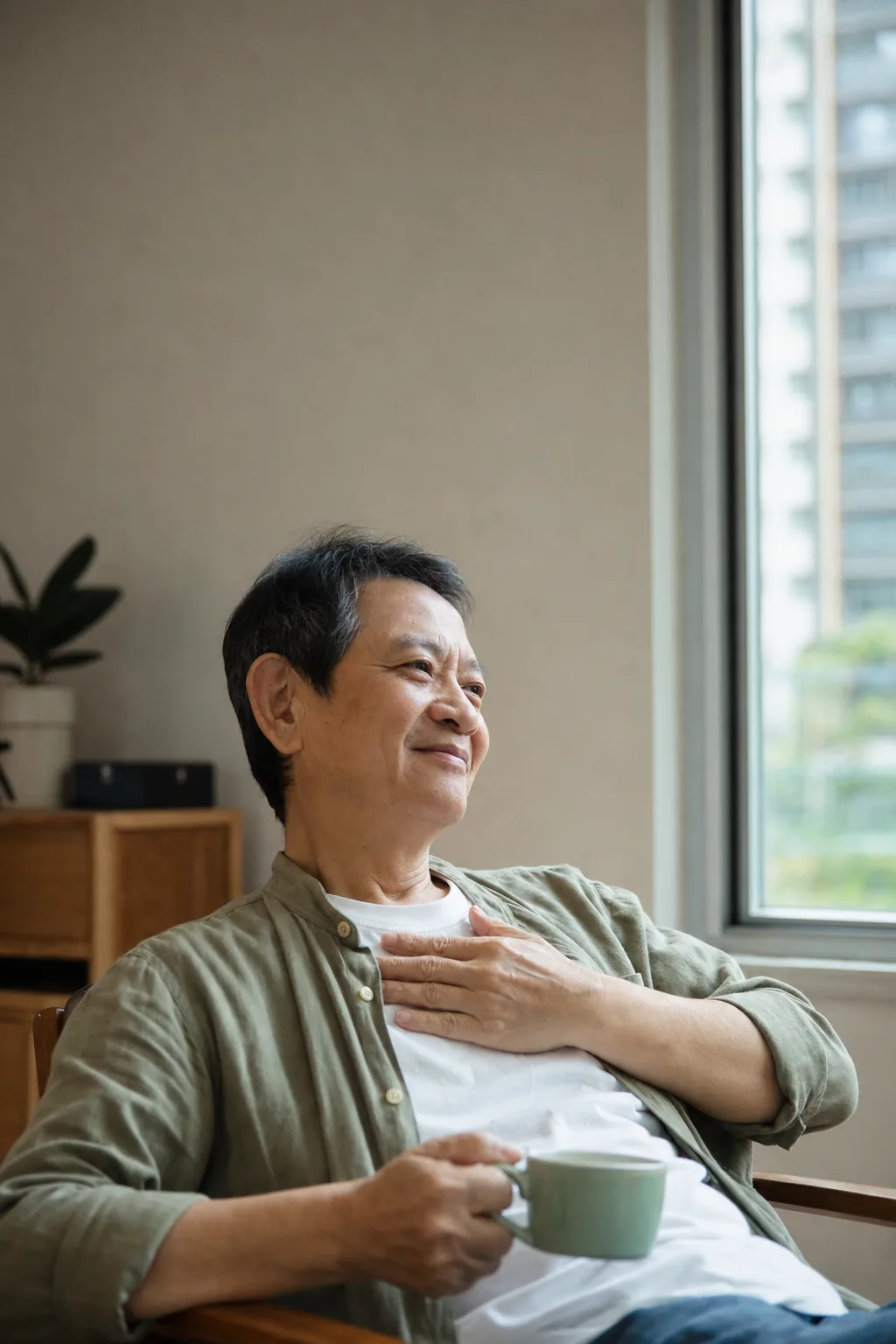
Why does scrimping make you more anxious?
Because saving alone answers 'how much to accumulate' but not 'what will I live on each month in retirement'. When you fixate on a single lump sum, any market swing, inflation or unexpected medical cost makes the number feel insufficient — and the anxiety lingers. What matters is not how big the total is, but whether your monthly cash flow is stable and sustainable.
- Saving without planning: a pot of money, but no sense of how many years it lasts.
- Ignoring inflation: enough today doesn't mean enough in 20–30 years — at 3% a year, the same sum loses nearly half its purchasing power in 20 years.
- Ignoring healthcare and long-term care: one serious illness or spell of care can derail the plan.
- No passive income: retirement means outflows without inflows — watching savings shrink feels scary.
See the 'gap' in numbers, and the anxiety gets a direction
Rather than worrying about a vague big number, work out the monthly cash flow. Take a Hong Kong retired couple's 'basic' lifestyle: about HK$12,840 a month (HSBC Retirement Monitor, Q2 2026); the Old Age Living Allowance for two from age 65 is about HK$8,690. Subtract, and there's still a gap of about HK$4,150 a month to fill with self-made income. Want a more comfortable life, and the gap only grows.
- Retired couple, 'basic' lifestyle per month: ~HK$12,840 (HSBC Retirement Monitor, two people, age 65–79).
- Less: Old Age Living Allowance (two, means-tested): ~HK$8,690.
- = Monthly passive income to build: ~HK$4,150 (before inflation and healthcare).
Illustrative figures that shift with lifestyle, inflation and policy; amounts follow official sources. Use the retirement calculator to estimate your own gap.
Security comes from sustainable cash flow, not a single total
The heart of retirement is turning accumulated assets into stable, sustainable monthly income — like still having 'a salary' after you retire. Rather than 'do I have ten million', ask 'how much do I need each month, how long will this income last, and will it keep up with inflation'. Shift the focus from total to cash flow and the anxiety eases.
The often-cited '4% rule' (withdrawing about 4% of your starting capital each year) is only a rough guide from US historical data; Hong Kong's rates, inflation and personal circumstances differ, so don't treat it as a fixed formula. A steadier approach is to layer income: lock in essential spending with stable sources (like annuities) and keep the rest flexible for inflation and surprises.
See our breakdown of retirement cash flow.
From defence to offence: build security with the five pillars
Saving is defence; planning is offence. We use the five pillars of retirement as a framework so income sources are diversified and complementary, reducing the anxiety of relying on any single one:
- Government and social security: MPF, the Old Age Living Allowance and fruit money — first find out what you qualify for.
- Self-made passive income: annuities, dividend funds, rent, dividend stocks — to fill the gap between allowances and basic spending.
- Healthcare and long-term care cover: use VHIS, critical illness and long-term care arrangements to transfer big-illness risk and protect cash flow.
- Assets and investment: long-term growth to counter inflation so purchasing power isn't eroded.
- Family and legacy: integrate an enduring power of attorney, advance medical directive and succession — caring for yourself and your family.
For the full five pillars, see the five pillars page.
Build your own 'retirement salary': common passive-income methods
The key to filling the gap is building passive income that keeps 'coming in' — start early. Common Hong Kong methods each have trade-offs, so mix them and spread risk:
- Annuities (public or private): a lump sum for lifelong regular income — stable but less flexible.
- Dividend funds / dividend stocks / REITs: higher cash flow, but prices and payouts fluctuate and are not guaranteed.
- Rental property / reverse mortgage: turn property value into cash flow, though entry cost is high and liquidity low.
- Savings / participating insurance: can be designed for regular withdrawals, but the non-guaranteed part may not materialise.
Each method has its own pros, cons and risks; actual returns vary by individual. Not investment advice. See our passive-income article.
Three mindset shifts: from scrimping to planning
- From 'total' to 'cash flow': ask about monthly income, not just one big number.
- From 'cutting spending' to 'creating income': while saving sensibly, build passive income early — compounding needs time, so the earlier the lighter the load.
- From 'carrying it alone' to 'having a system': integrate retirement, healthcare and legacy into one plan you review once a year.
General education only, not personalised investment or financial advice; arrangements vary by individual — seek professional advice for your situation.
Sources
The official information cited above can be verified at the sources below; the latest official publication always prevails.
Related reading
Frequently asked questions
Does saving more always mean more peace of mind in retirement?
Not necessarily. Security depends more on whether your monthly cash flow is stable and sustainable, and whether it covers inflation and healthcare risk. Fixating on a total can make you more anxious; turning assets into stable income is the key.
I save more but feel more anxious — what should I do?
Shift the focus from 'how much to save' to 'what income will I live on each month'. Work out the gap first, then, while saving sensibly, build passive income early (annuities, dividends, rent) and arrange healthcare cover so retirement has stable inflows.
Roughly how much does a Hong Kong retired couple need each month, and how big is the gap?
Per the HSBC Retirement Monitor (Q2 2026), a couple's 'basic' lifestyle is about HK$12,840/month and 'comfortable' about HK$30,740. If the two receive about HK$8,690 in Old Age Living Allowance, basic living still leaves a gap of about HK$4,150/month to fill with self-made income. Figures are indicative and vary by individual.
What's the difference between cash flow and a lump-sum total?
A total is a static number; cash flow is the income actually available each month. For the same pot, how you withdraw, in what order, and whether it beats inflation directly affects how long it lasts. Retirement planning is about turning the total into sustainable cash flow.
Does the '4% rule' apply in Hong Kong?
Only as a rough guide. The 4% rule comes from US historical data; Hong Kong's rates, inflation, tax and personal circumstances differ, so don't treat it as a fixed formula. Pair it with income layering and a withdrawal order, and review regularly.
Could healthcare costs derail my retirement plan?
They can. One serious illness or a spell of long-term care can eat into years of savings and is one of the biggest variables in retirement. Rather than absorbing it from savings alone, arrange VHIS, critical illness and long-term care cover early to transfer the risk, so a single medical bill doesn't upend your cash flow. This is general information; cover and suitability vary by individual.
Book a retirement planning consultation
An advisor helps you integrate MPF, annuities, insurance and cash flow.